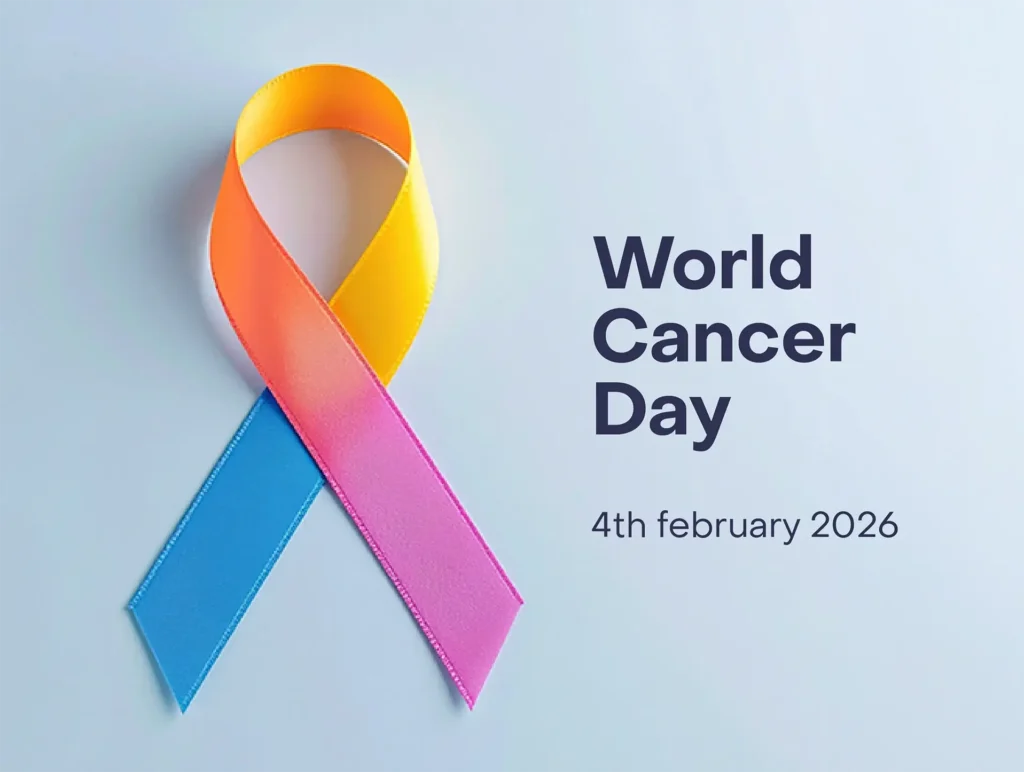


Nairobi, February 4- As the world observes World Cancer Day on February 4, 2026, global health leaders have renewed calls for African countries, including Kenya, to step up efforts against the rising cancer burden. The World Health Organization (WHO) says cancer has evolved from a neglected issue to a pressing health emergency across the continent, affecting more people each year and overwhelming health systems when care is too late or inaccessible.
According to WHO’s Regional Director for Africa, Dr. Mohamed Janabi, over one million Africans are diagnosed with cancer annually, and nearly as many lose their lives. While he noted that effective treatments exist, many patients still cannot reach or afford them, leading to needless deaths.
Dr. Janabi urged governments and partners to translate commitments into tangible results by expanding vaccination, improving screening services, enhancing treatment infrastructure, and integrating palliative care into everyday health services. He highlighted that recent progress, such as wider HPV vaccinations and better childhood cancer care, shows what is achievable when cancer control is prioritized. Yet significant gaps remain, including late diagnoses, shortages of specialized health workers, and limited access to crucial services like radiotherapy and pathology.
In Kenya specifically, Ministry of Health figures show roughly 45,000 new cancer cases each year, with about 29,000 deaths. Cervical cancer continues to be a major contributor to these numbers, underscoring the importance of preventive measures such as HPV vaccination and regular screening.
Cancer expert Dr. Daniel Nyongesa emphasized the role of HPV in causing cervical cancer and encouraged parents to ensure girls receive the HPV vaccine early, before exposure risks increase with age.
As Kenya and other countries join global efforts to mark World Cancer Day, health advocates stress that sustained investment in prevention, early diagnosis, treatment, and patient support can change the story of cancer into one of hope and survival, rather than despair.