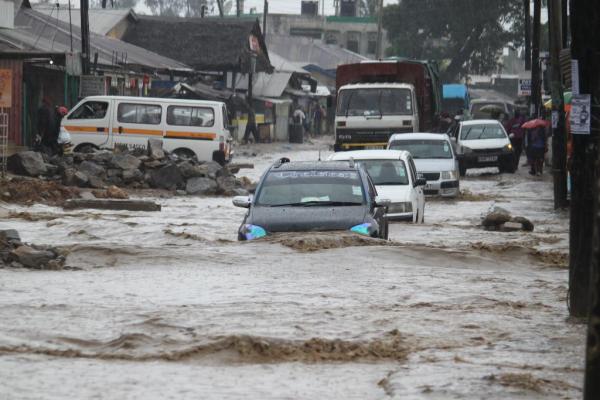


Nairobi, October 5- The government is turning to village elders to strengthen preparedness at the community level as Kenya braces for the El Niño rains expected in the coming weeks.
Environment Cabinet Secretary Deborah Barasa said more than 77,000 village elders will be involved in identifying communities facing heightened risks from flooding and landslides and advising residents on appropriate safety measures.
Barasa said the elders’ close connection with local communities makes them well placed to identify vulnerable areas and alert residents before disasters occur.
The Ministry of Environment has prepared information booklets to guide the elders on disaster preparedness, environmental restoration, pollution control and community clean-up activities.
The materials will also help elders identify households and communities living along rivers that may need to move to safer, higher ground, as well as residents in areas vulnerable to landslides.
The initiative forms part of wider government measures to strengthen preparedness for floods, drought and other climate-related emergencies.
Barasa said the government is also working with community forest associations, whose knowledge of local terrain and ecosystems can support environmental restoration efforts.
She further urged farmers to embrace agroforestry alongside crop production to help reduce soil erosion, improve food security and create additional economic opportunities.
The CS spoke ahead of Mazingira Day, urging Kenyans to participate in tree-growing, clean-up exercises and efforts to protect water sources and wetlands.
She said the government’s environmental restoration programme would increasingly focus on the survival of trees planted rather than simply measuring the number planted.
Barasa said restoring Kenya’s ecosystems requires a broader approach covering forests, water towers, riverine areas, drylands and coastal ecosystems.