


Nairobi, October 5-Kenya has entered the October-December rainfall season, with the Kenya Meteorological Service forecasting above-average rainfall in several parts of the country.
Acting head of the Kenya Meteorological Service Authority Edward Muriuki said rains have already begun in parts of 24 counties, particularly in the Coast, western Kenya and the Rift Valley.
He said other parts of the country are expected to experience the onset this week or next week, with Turkana and Samburu likely to be among the last areas to receive the rains in the third or fourth week of October.
Muriuki urged farmers to follow county-specific weather forecasts, noting that the timing and intensity of rainfall will differ from one region to another.
The Coast counties of Mombasa, Kwale, Lamu and Kilifi, together with the Tana Delta, have already recorded the onset of the rains. Rainfall is also expected in Marsabit, Mandera, Wajir, Garissa and Isiolo during the first or second week of October.
In central Kenya and Ukambani, including Nairobi, Kiambu, Murang’a, Kirinyaga, Nyeri, Nyandarua, Laikipia, Embu, Meru, Tharaka Nithi, Machakos, Kitui and Makueni, the rains are expected next week or the following week.
The Met Department said the increased rainfall could improve soil moisture, support planting and land preparation, replenish pasture and boost water availability for livestock.
However, it warned that excessive rains could lead to waterlogging, crop diseases, disruption of farming activities and challenges in transporting agricultural produce.
Heavy rainfall is particularly expected in parts of the Coast and northeastern regions, including Kwale, Mombasa, Kilifi, Lamu and Mandera, as well as sections of Taita Taveta, Tana River, Garissa and Wajir.
Above-average rainfall is also forecast in Nairobi, Makueni, Kajiado, Machakos, Kiambu, Murang’a, Kirinyaga, Embu, Tharaka Nithi, Meru, Isiolo, Nyandarua and Nyeri, among other areas.
The Met Department further warned that temperatures are likely to remain warmer than normal across the country.
The October-December rainfall season is being influenced by several climate systems, including El Niño and the Indian Ocean Dipole (IOD). The World Meteorological Organisation expects the IOD to turn positive between September and November as El Niño conditions strengthen.
The Met cautioned that El Niño should not be considered the only factor determining rainfall patterns, as several climate systems influence weather conditions.
The rains are expected to continue into January in many central, western and eastern counties, while Marsabit, Mandera, Wajir, Garissa and Isiolo could see the season end in the first or second week of December.
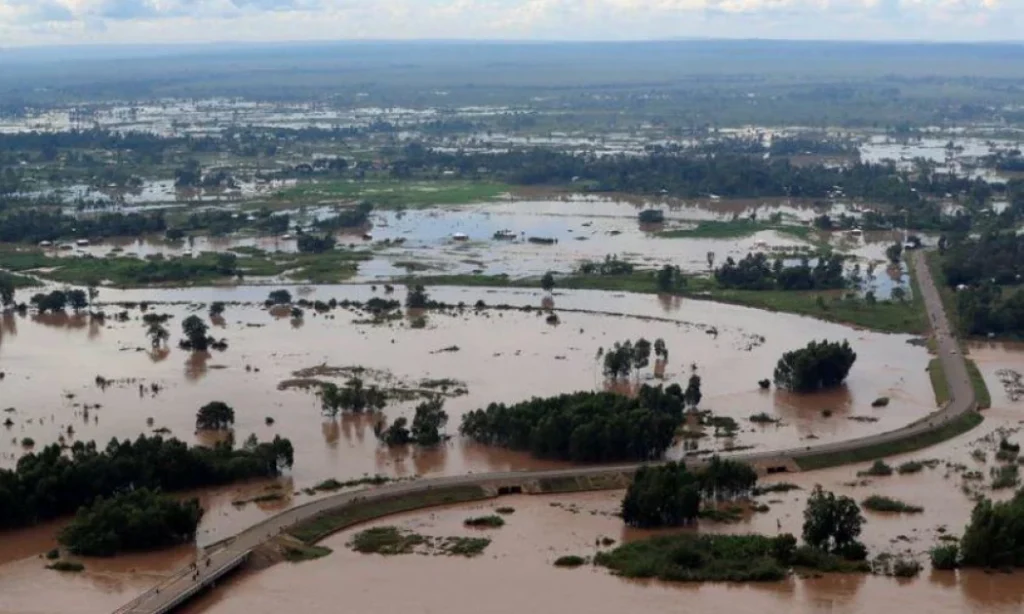
The department has also warned of possible flooding, waterlogging and landslides, particularly advising residents in low-lying areas and those living near rivers to remain alert.