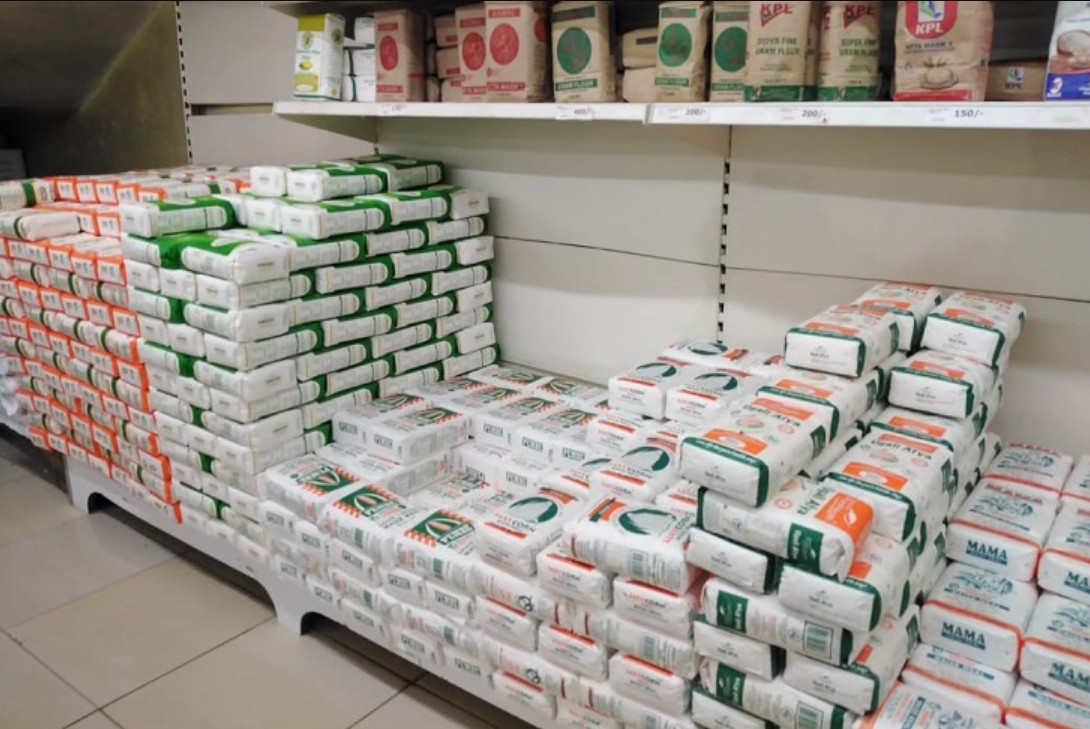
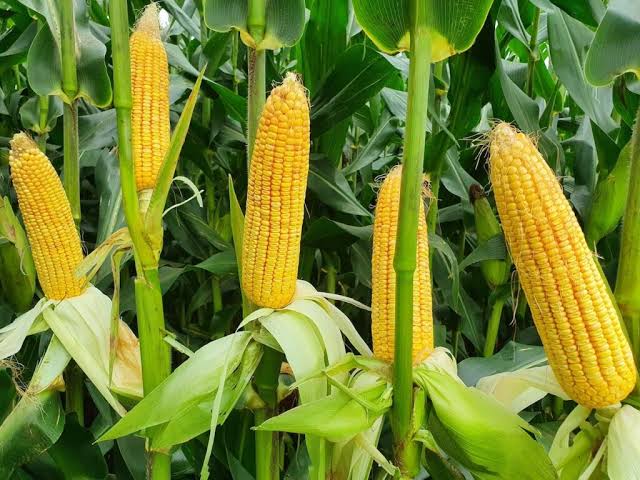


The Kenyan government is considering importing yellow maize as local supplies of white maize continue to decline, creating increased competition between animal-feed manufacturers and millers producing maize flour for households.
The proposed imports are intended to ease pressure on the local maize market by allowing animal-feed producers to rely on yellow maize, leaving more white maize available for human consumption.
The plan was initially announced in April 2025, when the government proposed waiving 50 per cent of the import duty on 5.5 million bags of yellow maize over a one-year period. However, it remains unclear whether the planned imports were fully implemented, as the latest official update on the programme dates back to that announcement.
The renewed push comes as drought and unfavourable weather conditions affect major maize-growing regions, including Uasin Gishu and Trans Nzoia. Agriculture Cabinet Secretary Mutahi Kagwe has warned that maize production could fall significantly because of the prolonged dry conditions.
Kenya consumes roughly 75 million bags of maize annually, while production in the current season is expected to be considerably lower. The government has therefore also announced plans to allow the importation of up to 25 million 90-kilogramme bags of maize to address the anticipated deficit and help stabilise unga prices.
Authorities have further raised concerns about maize hoarding and speculative trading, which they say have contributed to tightening supplies and made it difficult to replenish the National Strategic Food Reserve.
Kagwe has urged maize holders to release their stocks into the market, warning that the government could activate subsidised imports if supplies remain constrained.
The shortage has also pushed up maize prices, with the cost of a 90-kilogramme bag rising by 26 per cent over a three-month period. The yellow maize strategy is therefore aimed at reducing competition between livestock-feed producers and human-food millers.
Government data shows that maize imports increased by 51.4 per cent to 468,109 tonnes in 2025, while domestic production grew by only 2.2 per cent to 45.8 million bags.
The renewed consideration of yellow maize imports has also brought back memories of previous food crises, including the severe drought of 1984 when Kenya imported yellow maize as relief food.
Unlike during past shortages, however, the government’s current proposal is primarily to channel yellow maize towards animal-feed production while preserving white maize for human consumption.